

How VSD Coolant Helps Extend Equipment Life and Reduce Downtime
Commercial and industrial facilities depend on equipment that can operate reliably for long periods without unnecessary interruptions. In many demanding applications, variable speed drive systems play an important role in controlling motor operation and adjusting equipment performance according to changing operating requirements. Because these systems can operate under significant electrical and thermal loads, maintaining proper temperature control is essential. Excessive heat can affect components, reduce operating efficiency, accelerate wear, and contribute to unexpected equipment problems. VSD coolant can help manage thermal conditions within compatible cooling systems, supporting reliable operation and helping protect important equipment components.
Temperature management is especially important in commercial and industrial environments where equipment may operate continuously or under heavy loads. A variable speed drive can generate heat during normal operation, and that heat must be managed effectively to maintain suitable operating conditions. When cooling is inadequate, temperatures can rise and place additional stress on electronic and mechanical components. Using the appropriate VSD coolant as part of a properly maintained cooling system can help control heat and support stable equipment performance.
Midwest Parts Center provides parts and related cooling products for commercial and industrial applications. Facilities with VSD coolant requirements can contact Midwest Parts Center at +1 800 368 8385 for assistance with their equipment needs.
Understanding the Importance of VSD Cooling
Variable speed drive systems are designed to regulate motor speed and help equipment operate according to actual operating requirements. Instead of running a motor at one fixed speed regardless of demand, variable speed control can allow equipment to adjust its operation. This can support better control and, in suitable applications, improved energy management.
However, electronic equipment produces heat as it operates. The amount of heat generated can depend on factors such as electrical load, operating conditions, ambient temperature, equipment configuration, and duration of operation. If this heat is not managed properly, internal temperatures can increase.
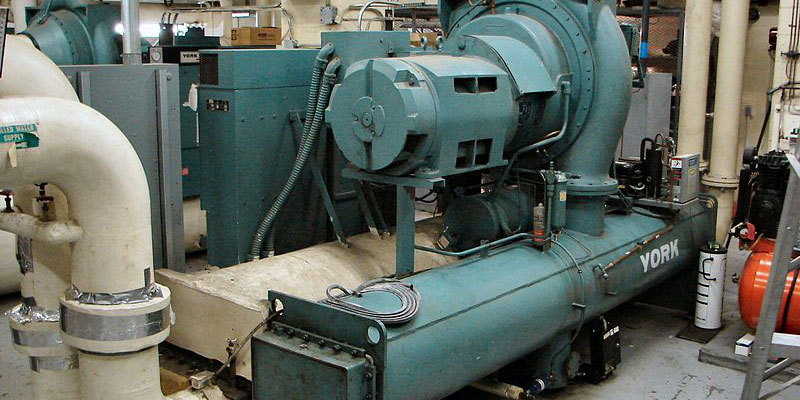
Cooling is therefore an important part of maintaining the operating environment of a VSD system. VSD coolant can help transfer heat away from components when used in a compatible cooling arrangement. Maintaining the coolant and the cooling system properly can support more consistent thermal conditions and help reduce heat-related stress.
How VSD Coolant Helps Manage Heat
Heat is one of the major factors that can influence the service life of electronic equipment. Components exposed to excessive temperatures for extended periods may experience accelerated aging or reduced reliability. Thermal stress can affect electrical connections, electronic components, insulation materials, seals, and other parts depending on the equipment design.
VSD coolant helps address this challenge by supporting heat transfer within systems designed to use liquid cooling. The coolant absorbs heat and carries it away from the components that generate it. This allows the cooling system to help maintain more suitable operating temperatures.
The effectiveness of this process depends on the complete cooling system, including coolant condition, circulation, heat-transfer surfaces, pumps or other circulation equipment, and temperature control. VSD coolant should therefore be considered as one part of a complete thermal management strategy rather than as an isolated solution.
Why Temperature Stability Matters
Temperature stability can be just as important as temperature reduction. Equipment that repeatedly moves between significantly different temperatures can experience thermal expansion and contraction. Over time, repeated thermal cycling can contribute to stress on components and connections.
Maintaining a stable operating temperature can help reduce unnecessary thermal fluctuations. Properly selected and maintained VSD coolant can contribute to this goal by helping the cooling system remove heat consistently.
Stable thermal conditions can be especially valuable in commercial and industrial facilities where equipment operates for extended periods. Maintaining appropriate temperatures can help support predictable equipment performance and reduce the likelihood of heat-related interruptions.
Extending Equipment Life With Proper Cooling
Equipment life is influenced by many factors, including design, operating conditions, maintenance, workload, environmental conditions, and temperature. Among these factors, excessive heat can be particularly damaging because it can accelerate the aging of many components.
When a cooling system is working correctly, it can help prevent equipment from operating at unnecessarily high temperatures. VSD coolant supports this function by transferring heat away from components within compatible systems.
By helping control thermal conditions, VSD coolant can contribute to a maintenance strategy focused on extending equipment life. It does not eliminate normal wear, but effective temperature management can reduce one source of avoidable stress.
For commercial and industrial facilities, extending equipment life can provide important operational value. Keeping existing equipment in reliable condition can reduce the frequency of major repairs and help facilities obtain greater value from their equipment investment.
Reducing Heat-Related Component Stress
Electronic components can be sensitive to excessive heat. When temperatures rise beyond suitable operating conditions, component performance and reliability may be affected. Repeated exposure to elevated temperatures can also contribute to long-term degradation.
A properly maintained cooling system helps control this risk. VSD coolant can assist in removing heat from areas where thermal loads are concentrated, allowing the equipment to maintain more suitable operating conditions.
Reducing thermal stress can have benefits throughout the equipment. When temperatures remain controlled, individual components may not have to withstand the same level of thermal strain that they would experience under inadequate cooling conditions.
Protecting Components During Heavy Loads
Equipment may experience its greatest thermal demand during periods of high workload. When a VSD system is operating under substantial electrical load, the amount of heat that needs to be managed can increase.
This makes cooling particularly important during demanding operating conditions. If the cooling system is not maintained properly, rising temperatures may reduce equipment reliability at precisely the time when dependable operation is most important.
Maintaining VSD coolant condition and ensuring proper coolant circulation can help the cooling system respond to these thermal demands. Regular maintenance can also identify potential cooling problems before they become significant equipment concerns.
How VSD Coolant Can Help Reduce Downtime
Downtime can be costly for commercial and industrial facilities. An unexpected equipment failure can interrupt operations, delay processes, increase maintenance expenses, and create additional pressure on facility personnel.
Heat-related problems are one potential contributor to equipment failure. When thermal conditions are not properly controlled, components may experience increased stress, which can contribute to premature problems.
Using suitable VSD coolant as part of a properly maintained cooling system can help reduce the risk associated with inadequate thermal management. By maintaining appropriate operating temperatures, the cooling system can support more reliable equipment performance.
No cooling product can eliminate every possible equipment failure. However, maintaining thermal conditions is an important part of reducing preventable problems and supporting overall system reliability.
The Role of Preventive Maintenance
Preventive maintenance is essential when equipment depends on a cooling system. Waiting until a cooling problem becomes obvious can increase the possibility of equipment damage or unexpected downtime.
Regular maintenance allows facility personnel to inspect coolant condition, cooling system performance, circulation, connections, and other relevant components. When problems are identified early, they can often be addressed before they affect the equipment significantly.
VSD coolant should be maintained according to the requirements of the specific cooling system and equipment. The correct coolant type, concentration, cleanliness, and service condition can all influence cooling performance.
A proactive maintenance strategy can help facilities identify deteriorating coolant or other cooling-system issues before they become major problems.
Why Coolant Condition Matters
Coolant does not remain unchanged forever. Depending on the application and system design, coolant can experience contamination, degradation, concentration changes, or other conditions that may affect its performance.
When coolant condition deteriorates, heat-transfer performance may be affected. The cooling system may not remove heat as effectively as it should, potentially allowing equipment temperatures to rise.
Regular inspection and appropriate coolant maintenance can help preserve cooling performance. Using suitable VSD coolant and maintaining it according to the equipment requirements can support effective heat transfer and reliable operation.
Maintaining Effective Heat Transfer
Heat transfer is central to the purpose of a liquid cooling system. The coolant must be able to absorb and transport heat effectively so that the cooling system can maintain suitable component temperatures.
If coolant becomes contaminated or otherwise unsuitable for the application, heat transfer may be affected. This can increase the thermal burden on the equipment.
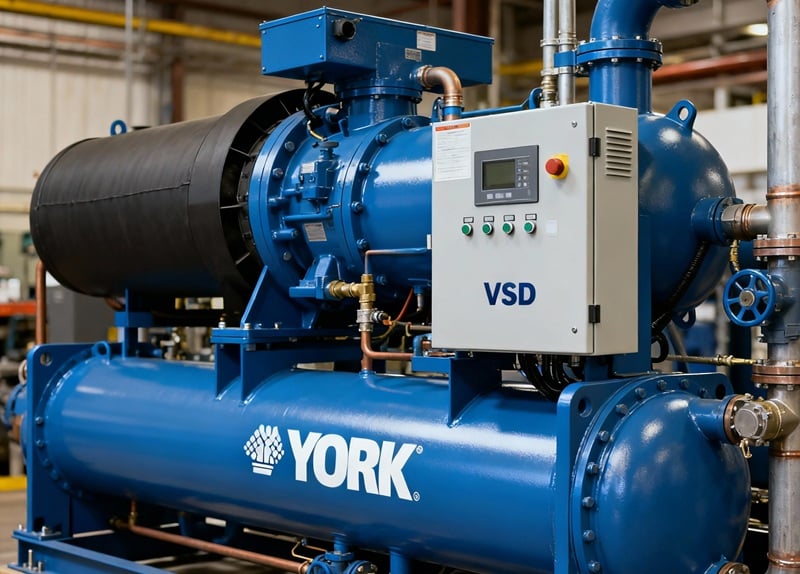
Maintaining proper VSD coolant condition can therefore be an important part of protecting equipment performance. A clean and properly maintained cooling system has a better opportunity to provide consistent thermal management.
Supporting Consistent Equipment Performance
Reliable equipment does more than avoid complete failure. It also maintains predictable performance during normal operation. Temperature fluctuations can sometimes affect how electronic systems behave, particularly when equipment is operating near demanding conditions.
Effective cooling can help maintain a more stable operating environment. VSD coolant contributes to this process by carrying heat away from components and supporting temperature control.
For commercial and industrial facilities, consistent performance can make maintenance planning easier and reduce unexpected operational changes. Equipment that remains within suitable thermal conditions can be better positioned to perform reliably during changing workloads.
Improving Operational Reliability
Reliability is a major objective for facility managers. Equipment failures can interrupt operations, but frequent minor thermal issues can also create additional maintenance demands.
Maintaining the cooling system can help reduce these challenges. Proper VSD coolant management supports thermal control, while routine inspections help identify problems that could otherwise affect reliability.
When coolant condition, circulation, and cooling-system components are maintained properly, facilities can create a stronger foundation for dependable equipment operation.
VSD Coolant and Energy Efficiency
Thermal management can also influence energy performance. When equipment becomes excessively hot, cooling systems may need to work harder to remove the additional heat. In some applications, inefficient heat transfer can increase the energy required to maintain suitable temperatures.
Maintaining appropriate VSD coolant condition can support efficient heat transfer and help the cooling system perform its intended function effectively.
Energy efficiency depends on many factors, so coolant maintenance should be considered part of a broader equipment management strategy. Proper equipment loading, ventilation, maintenance, controls, and operating practices also influence energy consumption.
Nevertheless, maintaining the cooling medium is an important detail that should not be overlooked.
Avoiding Premature Equipment Replacement
Replacing major commercial or industrial equipment can be expensive and disruptive. If equipment can remain operational through proper maintenance and component care, facilities may be able to delay premature replacement.
Effective thermal management can contribute to this objective. By reducing excessive heat exposure, VSD coolant can help protect compatible equipment from one source of accelerated deterioration.
Extending equipment life does not mean operating equipment beyond safe or appropriate service conditions. Instead, it means maintaining equipment properly so that it can deliver dependable service for its intended operating life.
The Connection Between Cooling and Reliability
Cooling and reliability are closely connected. When equipment generates heat, that heat must be removed effectively. If heat accumulates, component temperatures can rise and operating conditions can become less favorable.
VSD coolant provides a means of supporting heat removal in compatible liquid-cooled systems. Maintaining the coolant and associated cooling equipment can therefore contribute to overall reliability.
This relationship becomes particularly important in facilities where equipment operates continuously. The longer equipment operates, the more important consistent thermal management can become.
Preparing Equipment for Demanding Operating Conditions
Commercial and industrial facilities often experience periods when equipment operates under heavier workloads. Increased demand can increase the thermal load on variable speed drive systems.
Preparing the cooling system before these demanding periods can help reduce the possibility of heat-related problems. Checking coolant condition, circulation, connections, and related components can provide an opportunity to address issues before equipment is subjected to maximum demand.
Using the appropriate VSD coolant and maintaining the cooling system properly can help equipment remain better prepared for changing operating conditions.
Maintaining Cooling Before Peak Demand
Preventive service is often more convenient when performed before a critical operating period. Waiting until equipment is already experiencing high thermal loads can make a cooling problem more difficult to manage.
Scheduled inspections allow maintenance personnel to identify potential problems and arrange necessary service at a suitable time. This can help reduce the possibility of unexpected interruptions during periods when equipment availability is especially important.
Choosing Appropriate VSD Coolant
Not every coolant is appropriate for every cooling system. Equipment design, coolant chemistry, materials, operating temperatures, system specifications, and manufacturer requirements can all influence coolant selection.
Using an unsuitable coolant can create problems rather than solving them. It may affect heat transfer, material compatibility, system cleanliness, or other aspects of cooling performance.
For this reason, facility maintenance personnel should verify the requirements of their specific equipment and cooling system before selecting VSD coolant. Proper selection is an important part of protecting both the cooling system and the equipment it serves.
The Importance of Regular Coolant Inspection
Regular inspection can provide useful information about the condition of a cooling system. Changes in coolant appearance, concentration, contamination, or other characteristics may indicate that maintenance is required.
Inspection schedules should be appropriate for the specific equipment and operating environment. Facilities with demanding workloads may need to pay particularly close attention to cooling-system condition.
By monitoring VSD coolant regularly, maintenance teams can identify potential issues earlier and take corrective action before cooling performance is significantly affected.
Supporting Commercial and Industrial Applications
Commercial and industrial environments often have different cooling requirements, but both can benefit from reliable equipment maintenance. Commercial facilities may depend on cooling systems for building operations and equipment protection, while industrial facilities may require precise temperature management for operational processes.
In either environment, unexpected equipment downtime can be disruptive. Maintaining thermal management systems can help support dependable equipment operation.
VSD coolant can be an important part of this maintenance strategy when used in compatible cooling systems. Proper coolant selection and maintenance can help facilities manage thermal loads and protect equipment performance.
Why Reliable Parts and Cooling Products Matter
Maintaining a cooling system requires more than simply adding coolant when levels become low. Facility personnel need to understand the complete cooling arrangement and ensure that associated components remain in suitable condition.
Midwest Parts Center serves commercial and industrial applications and provides parts and cooling-related products to support equipment maintenance. Facilities seeking VSD coolant can contact Midwest Parts Center at +1 800 368 8385 to discuss their requirements.
Having access to the appropriate products can make preventive maintenance more efficient and help facility teams address cooling-system needs before they contribute to equipment problems.
Building a Proactive Thermal Management Strategy
A strong thermal management strategy combines appropriate coolant selection with regular inspection and maintenance. Instead of waiting for equipment temperatures to rise or a cooling system to fail, facility teams can monitor operating conditions and address potential problems proactively.
VSD coolant can support this strategy by helping maintain effective heat transfer in compatible systems. Regular coolant checks can help ensure that the cooling medium remains in suitable condition, while inspections of the complete system can identify circulation or component issues.
A proactive approach can help reduce avoidable downtime and support the long-term reliability of equipment.
Extending Equipment Life Through Better Cooling Practices
Equipment life is not determined by one factor. However, maintaining suitable operating temperatures can play an important role in reducing avoidable thermal stress.
VSD coolant can help support this goal by carrying heat away from components within systems designed for liquid cooling. When the cooling system is properly maintained, equipment can operate within more suitable thermal conditions.
Over time, effective temperature management can contribute to a longer service life for compatible equipment. It can also help reduce the likelihood of certain heat-related failures that could otherwise result in costly repairs or downtime.
Better Cooling for Longer Equipment Life
Reliable thermal management is an important part of maintaining commercial and industrial equipment. Variable speed drive systems can generate significant heat during operation, particularly under demanding loads, making effective cooling essential for dependable performance.
VSD coolant can help manage this heat in compatible cooling systems by absorbing and transferring thermal energy away from critical components. When the coolant is correctly selected and properly maintained, it can support stable operating temperatures, reduce thermal stress, and contribute to more reliable equipment performance.
The benefits can extend beyond temperature control. Effective cooling can help protect components, reduce the risk of heat-related failures, support equipment efficiency, and potentially extend useful service life. By maintaining the cooling system proactively, facilities can also reduce the likelihood of unexpected downtime and make equipment maintenance more predictable.
Commercial and industrial facilities should treat coolant condition as an important part of their overall equipment maintenance strategy. Regular inspections, appropriate coolant selection, proper servicing, and attention to operating conditions can work together to protect valuable equipment.
Midwest Parts Center provides parts and cooling-related products for commercial and industrial applications. If your facility needs VSD coolant or assistance with cooling-system requirements, contact Midwest Parts Center at +1 800 368 8385. Proper thermal management can help equipment operate more reliably, remain efficient under demanding conditions, and continue providing dependable service for years to come.
Essential Solution for Efficient Variable Speed Drive Systems
Variable speed drive systems are an important part of many commercial and industrial operations because they allow equipment to adjust motor speed according to changing operating requirements. By controlling motor operation more precisely, these systems can support better process control, smoother operation, and efficient use of equipment. However, variable speed drive systems also generate heat during normal operation, particularly when they are exposed to demanding electrical loads or operate for extended periods. Managing that heat is essential for maintaining dependable performance. VSD coolant can play an important role in thermal management by helping compatible cooling systems remove heat and maintain suitable operating temperatures.
In commercial and industrial environments, equipment reliability is closely connected to effective maintenance. A variable speed drive that operates at excessive temperatures may experience increased thermal stress, reduced component life, and a greater risk of unexpected problems. Proper cooling can help protect sensitive components and support stable operation. Using suitable VSD coolant as part of a properly maintained cooling system can therefore contribute to equipment efficiency, reliability, and long-term performance.
Midwest Parts Center provides parts and cooling-related products for commercial and industrial applications. Facilities looking for VSD coolant can contact Midwest Parts Center at +1 800 368 8385 to discuss their specific equipment and cooling requirements.
Why Thermal Management Matters in Variable Speed Drive Systems
Variable speed drives control the speed and operation of motors by adjusting electrical power according to equipment demand. This ability to vary motor speed can be useful in many applications where operating requirements change throughout the day. However, electrical conversion and normal system operation generate heat that must be managed effectively.
When heat accumulates inside equipment, operating temperatures can rise. Excessive temperatures can place additional stress on electronic components and may accelerate aging over time. If the heat problem becomes severe, equipment performance can become less reliable and the likelihood of an unexpected shutdown may increase.
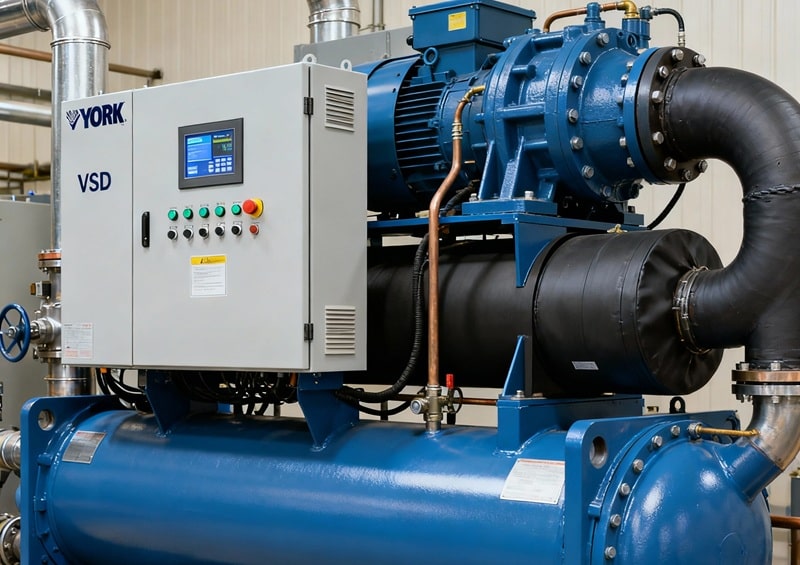
Effective cooling helps manage this thermal load. In systems designed for liquid cooling, VSD coolant can absorb heat from components and transfer it away from the equipment. Maintaining appropriate coolant condition and proper circulation can help support consistent temperature control.
Understanding the Role of VSD Coolant
VSD coolant is used in compatible cooling systems to help transfer heat away from variable speed drive equipment. As the coolant moves through the cooling system, it absorbs thermal energy and carries it toward a location where that heat can be released.
This process helps maintain a more suitable operating environment for components that generate heat during normal operation. The effectiveness of cooling depends on the complete system, including the coolant, circulation components, heat-transfer surfaces, temperature control, and overall system condition.
Because different equipment can have different cooling requirements, selecting the correct coolant is important. Maintenance personnel should consider the equipment specifications, operating conditions, coolant requirements, and material compatibility before using VSD coolant.
Maintaining Proper Heat Transfer
The primary purpose of coolant in a liquid-cooled system is to facilitate heat transfer. If the coolant is in suitable condition and the cooling system is operating correctly, heat can be moved away from critical components more effectively.
Over time, coolant can experience contamination, degradation, concentration changes, or other conditions that may affect performance. These issues can reduce the effectiveness of heat transfer and potentially allow operating temperatures to rise.
Regular coolant inspection and appropriate maintenance can help preserve the effectiveness of the cooling system. Maintaining VSD coolant according to the requirements of the specific application is therefore an important part of thermal management.
How VSD Coolant Supports Efficient Operation
Efficiency is a major concern for commercial and industrial facilities. Equipment that operates inefficiently can consume more energy, experience additional stress, and require more frequent maintenance. For variable speed drive systems, maintaining suitable operating temperatures is one part of supporting efficient performance.
When a drive operates within an appropriate temperature range, its cooling system does not have to compensate for excessive or uncontrolled heat buildup. Proper thermal management can help the equipment maintain stable operating conditions.
VSD coolant can contribute to this process by transferring heat away from compatible components. When combined with proper system maintenance and appropriate operating practices, effective coolant management can support the overall efficiency of the variable speed drive system.
Reducing Thermal Stress on Components
Heat can have a significant effect on the long-term condition of electronic components. Continuous exposure to excessive temperatures may accelerate aging and increase the possibility of component deterioration.
By helping remove heat, VSD coolant can reduce the thermal burden placed on components within compatible systems. This can help maintain a more stable operating environment and potentially reduce avoidable thermal stress.
The benefit becomes particularly important when equipment operates for long periods. Continuous operation means that heat is being generated repeatedly, making effective cooling essential for maintaining suitable conditions.
Protecting Equipment During High Loads
Variable speed drive systems may experience increased thermal loads when they are operating under demanding electrical or mechanical conditions. High workloads can increase the amount of heat that must be managed by the cooling system.
If cooling performance is inadequate during these periods, equipment temperatures can rise more quickly. Maintaining VSD coolant and the associated cooling system can help prepare the equipment to handle demanding operating conditions.
Regular inspections before periods of high demand can also help identify potential cooling problems before they affect normal operation.
Extending the Life of Variable Speed Drive Equipment
Equipment longevity is an important goal for commercial and industrial facilities. Replacing major equipment can be expensive and disruptive, so facility managers often seek ways to maintain existing systems and obtain dependable service over their intended operating life.
Temperature management can contribute to this objective. Excessive heat can accelerate component aging, while effective cooling can help maintain more suitable operating conditions.
VSD coolant can therefore become an important part of an equipment-life strategy when used in an appropriate liquid cooling system. By helping control operating temperatures, it can reduce one source of unnecessary thermal stress.
Proper cooling does not prevent all equipment wear, but it can support the broader maintenance effort required to keep variable speed drive systems operating reliably over time.
Reducing the Risk of Unexpected Downtime
Unexpected downtime can create significant challenges for commercial and industrial operations. A failed drive may interrupt equipment operation, affect production, require emergency maintenance, and create additional operating expenses.
Thermal problems can be one factor contributing to electronic equipment failures. When heat is not adequately controlled, components may experience stress that can affect their reliability.
Using suitable VSD coolant and maintaining the cooling system can help address this risk. Effective thermal management supports more stable equipment operation and may reduce the likelihood of certain heat-related problems.
Although cooling cannot eliminate every potential cause of equipment failure, it is an important part of maintaining reliable variable speed drive operation.
The Importance of Preventive Cooling Maintenance
Preventive maintenance allows facility teams to identify potential problems before they result in unexpected equipment interruptions. For liquid-cooled variable speed drive systems, this includes paying attention to the condition of the coolant and the components responsible for circulating and managing it.
Regular inspections can help identify signs of contamination, deterioration, improper coolant condition, circulation problems, or other issues. Addressing these conditions early can help preserve cooling performance.
VSD coolant should be maintained according to the requirements of the specific equipment and cooling system. Using the correct product and maintaining it properly can help support consistent heat transfer.
Addressing Cooling Problems Before Failure
A cooling problem may not immediately cause a complete equipment shutdown. Instead, temperatures may gradually increase, operating performance may become less stable, or components may experience greater thermal stress.
This makes early detection important. Monitoring equipment conditions and investigating unusual temperature behavior can help maintenance teams identify cooling problems before they become more serious.
When coolant-related maintenance is required, timely attention can help preserve the overall condition of the cooling system and the equipment it protects.
Maintaining Consistent Equipment Performance
Reliable equipment should be able to operate consistently as workloads change. Variable speed drives are designed to adjust motor operation, but their ability to perform effectively depends on maintaining appropriate operating conditions.
Temperature fluctuations can affect equipment behavior and contribute to thermal cycling. Effective cooling can help reduce unnecessary temperature variation and support a more stable operating environment.
VSD coolant can assist with this process by carrying heat away from components within compatible systems. When coolant condition and circulation are maintained properly, the cooling system can provide more consistent thermal management.
Supporting Commercial Applications
Commercial facilities can depend on variable speed drive systems for a variety of HVAC, mechanical, and building equipment applications. Reliable operation can be important for maintaining building conditions and supporting normal facility activities.
When a drive experiences a cooling-related problem, the resulting interruption may affect connected equipment and facility operations. Maintaining the cooling system can help reduce this risk.
VSD coolant can support commercial equipment by helping maintain appropriate temperatures in compatible liquid-cooled applications. Regular maintenance can further improve reliability and reduce avoidable interruptions.
Supporting Industrial Applications
Industrial facilities often place heavy demands on electrical and mechanical equipment. Variable speed drives may be used in applications where precise motor control and continuous operation are important.
Because industrial equipment can operate under substantial loads, thermal management can become particularly important. Excessive heat can affect electronic components and may increase the likelihood of equipment problems.
Maintaining VSD coolant and the complete cooling system can help industrial facilities support reliable drive operation. Preventive maintenance can also help identify cooling issues before they interfere with important operations.
Choosing the Right VSD Coolant
Selecting the appropriate coolant is an important part of maintaining a liquid-cooled variable speed drive system. Different systems can have different requirements based on equipment design, operating temperatures, materials, coolant chemistry, and other factors.
Using an unsuitable coolant may create compatibility or performance problems. It may not provide the desired heat-transfer characteristics or could potentially affect system materials.
For this reason, facility personnel should verify the requirements of their specific cooling system before selecting VSD coolant. Correct selection can help protect both the coolant circuit and the equipment being cooled.
Why Coolant Condition Should Be Monitored
Coolant condition can change over time. Contamination, chemical changes, concentration issues, or other factors may reduce cooling performance.
When coolant does not perform as intended, the cooling system may struggle to remove heat efficiently. This can cause equipment temperatures to increase and potentially create additional stress.
Regular monitoring can help maintenance teams identify these changes early. Maintaining VSD coolant in suitable condition can help preserve effective heat transfer and support consistent equipment operation.
The Relationship Between Cooling and Energy Management
Cooling itself requires energy, but effective thermal management can still contribute to better overall equipment performance. When heat transfer is efficient, the cooling system can perform its intended function more effectively.
Poor coolant condition or restricted circulation can make heat removal less effective. This may increase the thermal burden on equipment and potentially require additional cooling effort.
Maintaining VSD coolant can therefore support the broader goal of efficient operation. Energy performance will also depend on equipment loading, controls, ventilation, system design, and other factors, but coolant maintenance remains an important detail.
Preventing Premature Equipment Replacement
Major equipment replacement can involve substantial costs, labor, and operational disruption. Proper maintenance can help facilities obtain the intended service life from their existing equipment.
Thermal management is one part of this effort. By helping control operating temperatures, VSD coolant can reduce excessive heat exposure in compatible systems.
This does not mean that coolant can prevent natural equipment aging or eliminate the need for eventual replacement. Instead, effective cooling can help reduce avoidable thermal stress and support the equipment throughout its useful service life.
Preparing for Changing Operating Conditions
Variable speed drive systems can experience different loads throughout the day and across different seasons. Cooling requirements may therefore change as equipment demand changes.
A well-maintained cooling system should be prepared to respond to these variations. Maintaining VSD coolant and checking circulation and related components can help ensure that thermal management remains effective.
Facilities can benefit from inspecting cooling systems before periods when equipment is expected to operate under heavier loads. Addressing maintenance requirements early can reduce the risk of interruptions during critical operating periods.
The Value of Seasonal Maintenance
Seasonal maintenance can provide an opportunity to evaluate cooling equipment before operating conditions change significantly. For example, equipment that will experience greater loads during a particular season can be inspected and serviced beforehand.
Checking VSD coolant condition as part of this process can help maintenance teams identify potential issues. Timely service can improve preparedness and provide greater confidence in equipment reliability.
Building a Proactive VSD Maintenance Strategy
A proactive maintenance strategy focuses on preventing avoidable problems rather than responding only after equipment fails. This approach can include routine inspections, temperature monitoring, coolant maintenance, circulation checks, and timely replacement of worn components.
VSD coolant is an important part of this strategy for systems that rely on liquid cooling. Maintaining the coolant according to system requirements can help support effective thermal management.
A proactive approach can also help facilities plan maintenance around operating schedules. This can reduce the disruption associated with emergency service and make equipment maintenance more predictable.
Why Access to the Right Products Matters
When cooling-system maintenance is required, having access to the appropriate products can help reduce delays. Commercial and industrial facilities often need to respond quickly when critical equipment requires service.
Midwest Parts Center provides parts and cooling-related products for commercial and industrial applications. Facilities with VSD coolant requirements can contact Midwest Parts Center at +1 800 368 8385 to discuss their needs.
Having a reliable source for required cooling products can make it easier for maintenance personnel to plan service and respond to equipment requirements.
VSD Coolant as Part of Long-Term Equipment Care
Long-term equipment care requires attention to many different factors. Electrical systems, mechanical components, controls, operating conditions, cleanliness, and thermal management all contribute to overall reliability.
VSD coolant supports the thermal management portion of this strategy. By helping transfer heat away from components, it can contribute to maintaining suitable operating temperatures in compatible systems.
When combined with regular inspections and appropriate maintenance, coolant management can help protect equipment from avoidable thermal stress and support more reliable operation over time.
Efficient Cooling for Reliable Variable Speed Drive Systems
Variable speed drive systems can provide valuable control and efficiency benefits in commercial and industrial applications, but dependable performance depends on maintaining suitable operating conditions. Because these systems generate heat during normal operation, effective thermal management is essential.
VSD coolant can serve as an important solution for compatible liquid-cooled systems by helping absorb and transfer heat away from critical components. Proper coolant selection, regular inspection, and appropriate maintenance can help support stable temperatures and reduce thermal stress.
The benefits can extend beyond temperature control. Effective cooling can contribute to longer component life, more consistent equipment performance, improved reliability, and reduced risk of heat-related downtime. Maintaining the cooling system can also help facilities protect their investment in existing equipment and avoid unnecessary premature replacement.
For commercial and industrial facilities, coolant maintenance should be treated as part of a broader equipment reliability strategy. The right coolant, combined with proper service and monitoring, can help variable speed drive systems perform consistently under changing operating conditions.
Midwest Parts Center provides parts and cooling-related products for commercial and industrial applications. If your facility needs VSD coolant or assistance with related cooling requirements, contact Midwest Parts Center at +1 800 368 8385. Proper thermal management can help support efficient variable speed drive operation, protect valuable equipment, and keep critical systems running reliably for the long term.
